
Sudoku
A four-by-four to warm up on, and an eighteen-clue nine-by-nine when you mean it
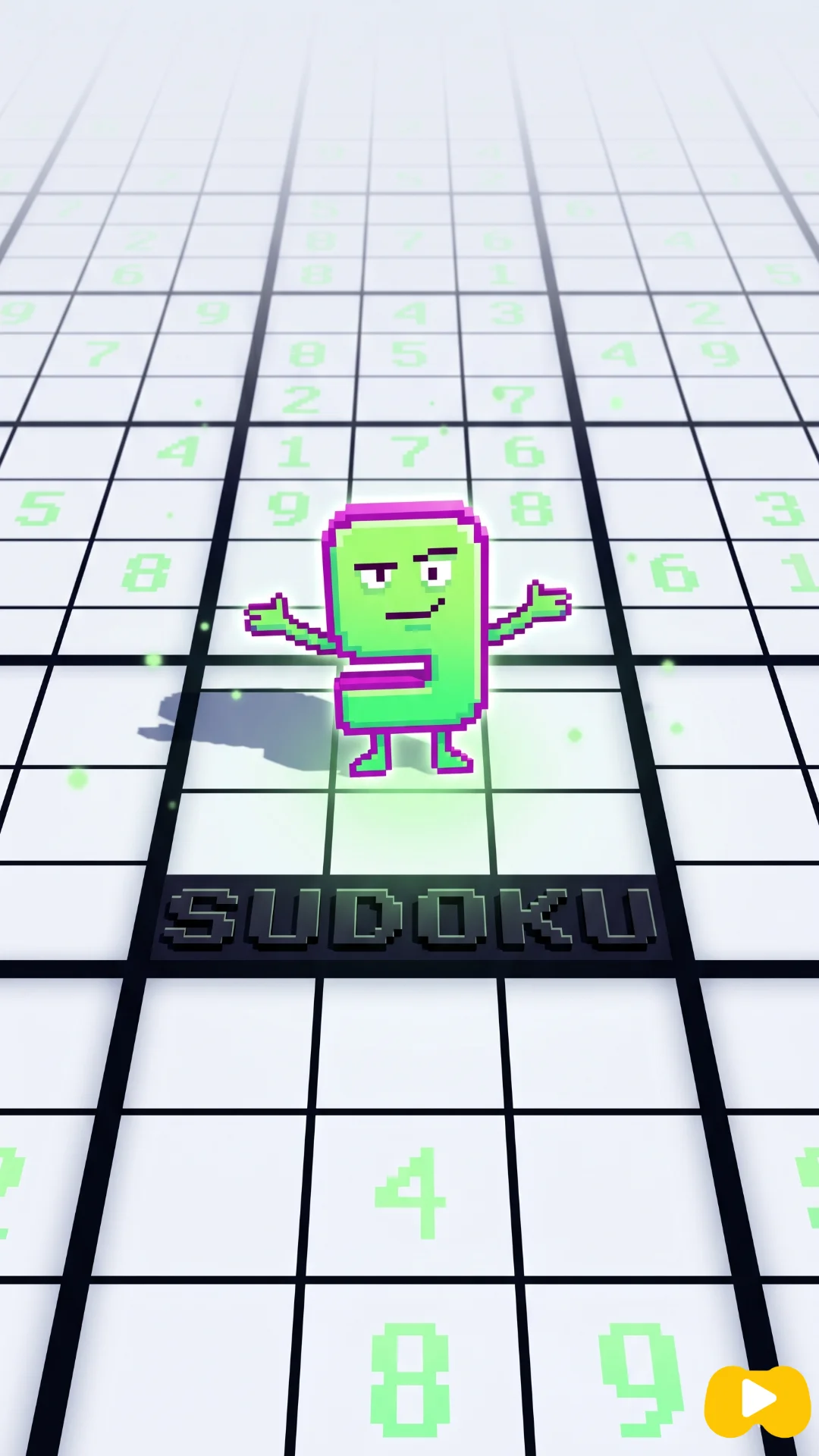
About Sudoku
Three boards rather than three labels on the same board. Easy is a genuine four-by-four grid using the numbers one to four with twelve clues — small enough to finish in a minute and useful for teaching somebody the rule. Medium is a standard nine-by-nine with thirty-five clues. Hard is the same nine-by-nine with eighteen, which is near the practical minimum and feels it.
Everything the harder boards need is here: pencil-mark notes, an erase button, a hint that plays the next move logic can justify, and full keyboard entry. Placing a number automatically strips it from the notes of every cell in the same row, column and box, which removes most of the bookkeeping that puts people off pencil marks. Conflicts are flagged in red as you create them, and it is worth knowing exactly what that means: it checks whether a number duplicates another in its row, column or box, not whether it matches the solution.
What is different about this version
The hint is not a peek at the answer sheet. It looks first for a naked single — a cell with exactly one candidate left — then for hidden singles across rows, columns and boxes, and only if neither exists does it fall back on the stored solution, choosing whichever empty cell has fewest candidates. On a medium board it is therefore always showing you a move you could have found yourself. The eighteen-clue board is produced by removing cells at random without verifying that a unique solution survives, and that is worth stating plainly: occasionally a hard board is under-determined and the hint quietly falls back on the solution it generated from. If a hard board stops yielding to logic, it is sometimes the board's fault.
How to play Sudoku
- Pick Easy, Medium or Hard. Easy is the four-by-four board; the others are nine-by-nine.
- Tap a cell to select it, then tap a number to place it.
- Turn Notes on to write pencil marks instead; tapping the same number again removes it.
- Erase clears the selected cell. The given clues cannot be changed.
- Hint fills one cell that logic can currently justify and tidies the notes around it.
- Complete every row, column and box to finish. Times are recorded per difficulty.
Controls
| Desktop | Arrow keys move the selection, 1 to 9 place numbers, Backspace or Delete erases. |
|---|---|
| Phone or tablet | Tap a cell, then a number from the pad below; Notes, Erase and Hint sit alongside. |
| Players | One player. Any other characters on screen are run by the game. |
Strategy
On the thirty-five-clue board, scanning beats note-taking. Pick whichever number already appears most often and work through the boxes it is missing from; with that many clues most of the grid falls to that single technique. Writing candidates into every cell will cost you more in maintenance than it saves.
The eighteen-clue board needs a different method. Start by noting properly — find the cells with two or three candidates and write them in, because the first real progress usually comes from a pair. Two cells in one unit sharing exactly the same two candidates lock those numbers out of everything else in that unit, and that is normally the crack that opens the board. Since placing a number clears it from peer notes automatically, the marks stay honest as you go.
Understand the red highlight rather than relying on it. It catches duplicates only. On an eighteen-clue board you can comfortably place four or five wrong numbers that never collide with each other, then hit a contradiction twenty moves later with no way of telling which one caused it. Verify a deduction before committing it, particularly early, when there is very little on the board to contradict you.
Mistakes that cost you the game
- Pencilling candidates into every cell on the medium board. Thirty-five clues do not need it.
- Reading black text as confirmation. The highlight catches duplicates, not mistakes.
- Guessing on the hard board. One unverified placement can survive twenty moves before it surfaces.
- Reaching for the hint the moment you stall. It solves the cell you were about to solve.
Tips
- Use the four-by-four board to teach somebody the rule. It is the same game at a size you can hold in your head.
- Scan by number, not by cell. Ask where the fives go, rather than what goes here.
- Note only the cells with two or three candidates until that runs out.
- A matched pair in one unit removes those two numbers from every other cell in it — the most useful pattern on the eighteen-clue board.
- Hints tidy notes as well as placing numbers, so one hint on a well-marked board often unlocks two or three more cells.
- Best times are kept per difficulty, so a quick four-by-four does not flatter your hard board.
Questions about Sudoku
What are the three difficulties, exactly?
A four-by-four with twelve clues, a nine-by-nine with thirty-five, and a nine-by-nine with eighteen.
Is there a limit on hints?
No, you can use as many as you like — though the clock keeps running.
Does it tell me when I am wrong?
Only when a number duplicates one already in its row, column or box. A wrong number that has not yet collided is not flagged.
Can I play with the keyboard?
Yes — arrows to move, 1 to 9 to place, Backspace or Delete to clear.
Are hard puzzles always solvable by pure logic?
Usually, but not guaranteed. Cells are removed at random without a uniqueness check, so the occasional board needs a hint to get past a point.
Does it cost anything?
No. Sudoku is free to play, runs in your browser, and needs no download, install or account.
More games like this
-
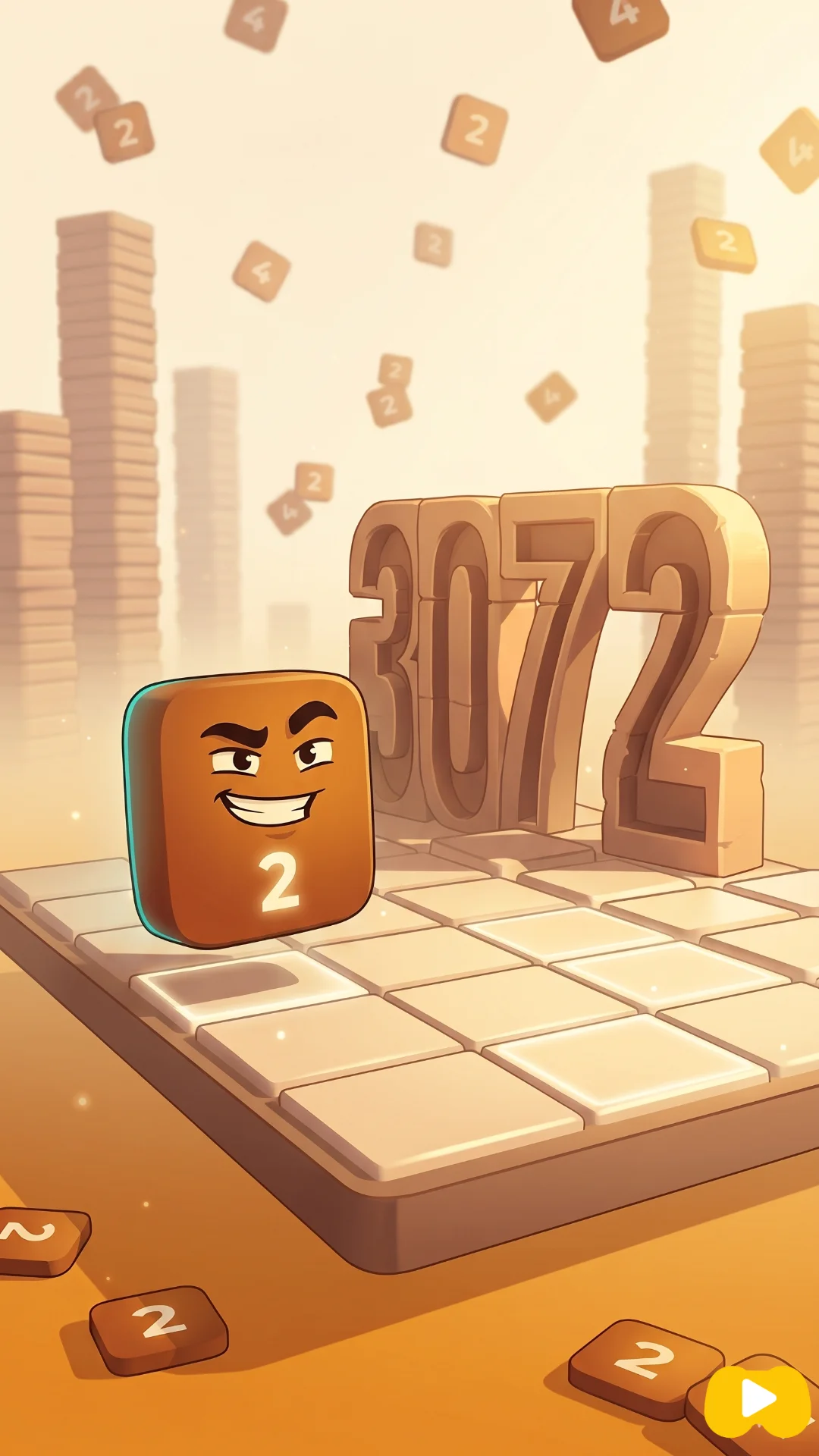 3072 MergeSlide a 4x4 grid, fuse matching tiles, and try to build the 3072
-
 Balance ScalesA beam, a hidden shape and a tray of weights, with one arrangement that sits level
-
 Fold LabFold nets into cubes and punch folded paper, all in your head
-
 Math CagesIrregular cages, one arithmetic target each, and a grid that only has one way to fill it