
3072 Merge
Slide a 4x4 grid, fuse matching tiles, and try to build the 3072
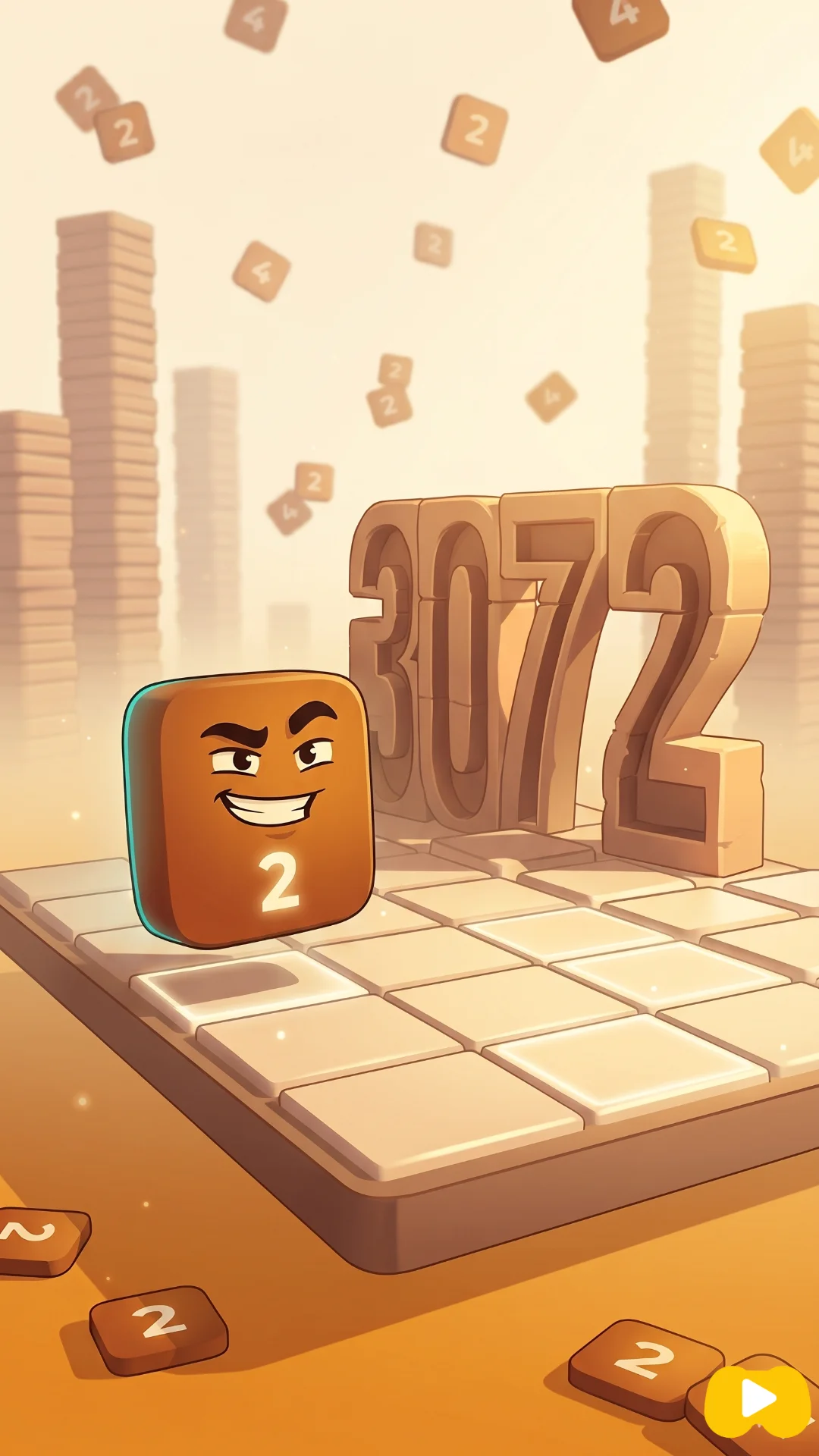
About 3072 Merge
A sliding tile puzzle on the familiar four-by-four grid, with the ladder starting at 3 instead of 2: 3, 6, 12, 24, 48, 96, 192, 384, 768, 1536, 3072. Every move shoves each tile as far as it will go, matching neighbours fuse into their sum, and a fresh tile drops into a random empty square — a 3 nine times out of ten, a 6 the other one.
The run ends when the grid is full and no two touching tiles match. Reaching 3072 brings up a panel with the option to carry on, which most people take, because the interesting part of a board is what happens once the target tile exists and there is nowhere left to put anything.
Scoring is the total of every merge you make, so it tracks how efficiently you climbed rather than how long you survived. One 3072 is worth more than a grid full of small change, and your best is kept between visits.
What is different about this version
The numbers are the obvious change, but the one you will feel is the input queue. Each slide animates for a tenth of a second, and a direction pressed during that window is stored rather than dropped, so hammering a three-direction rhythm never loses a move to the animation. That matters more than it sounds when you are cycling up-left-up-right at speed. There is also no undo button anywhere in the game, which is deliberate: a corner you unseat stays unseated. The 3072 panel offers a Keep Playing option rather than stopping the run, and your best score is stored on the device, so the target tile is a milestone rather than an ending.
How to play 3072 Merge
- Slide the whole grid up, down, left or right. Every tile travels until it hits a wall or another tile.
- Two touching tiles with the same number fuse into one tile worth double, and each tile can only fuse once per move.
- After every move one new tile appears in a random empty square — a 3, or occasionally a 6.
- The run is over when the grid is full and nothing left on it can merge.
Controls
| Desktop | Arrow keys, or drag with the mouse in the direction you want the board to slide. |
|---|---|
| Phone or tablet | Swipe anywhere on the grid. |
| Players | One player. Any other characters on screen are run by the game. |
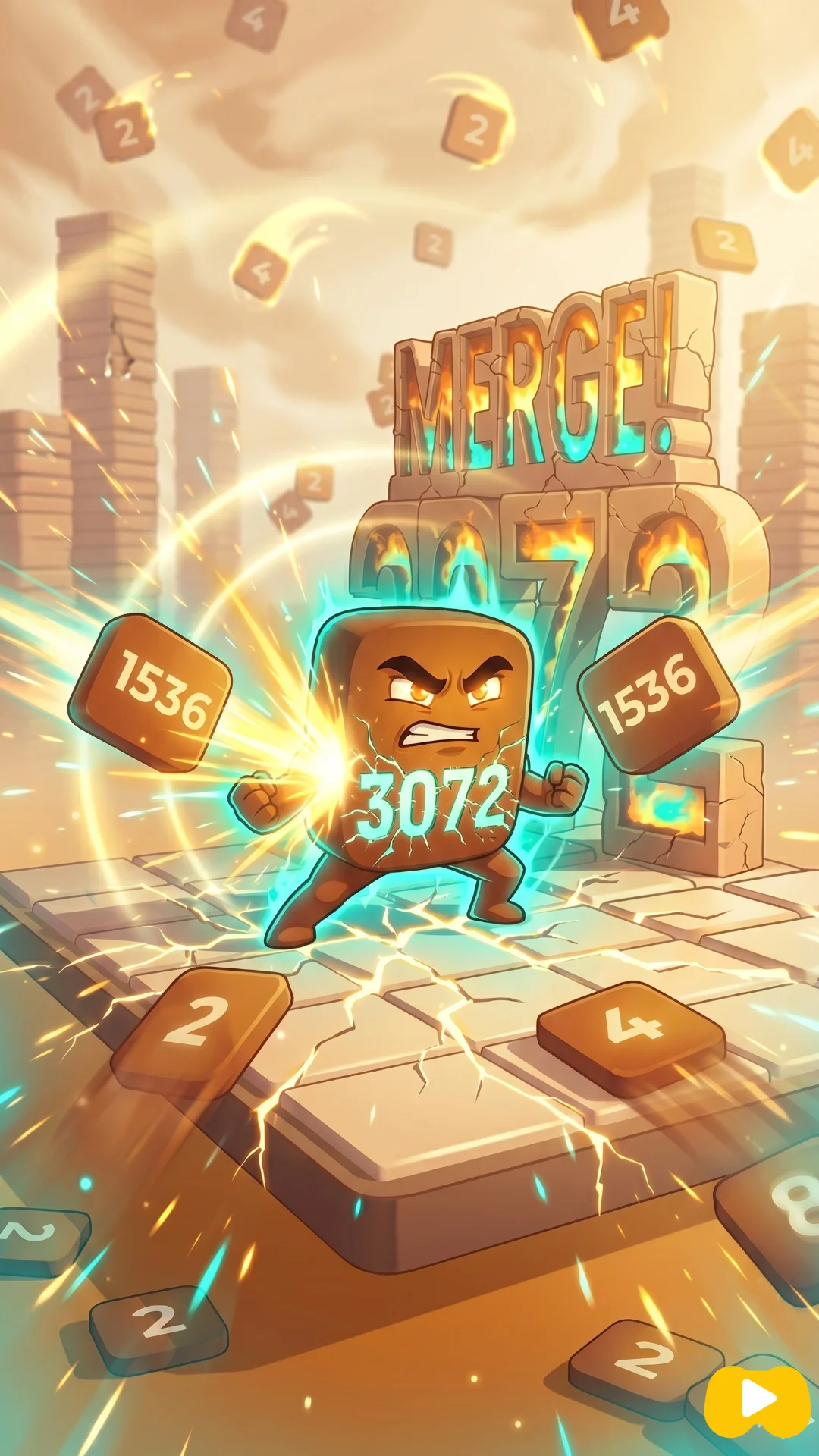
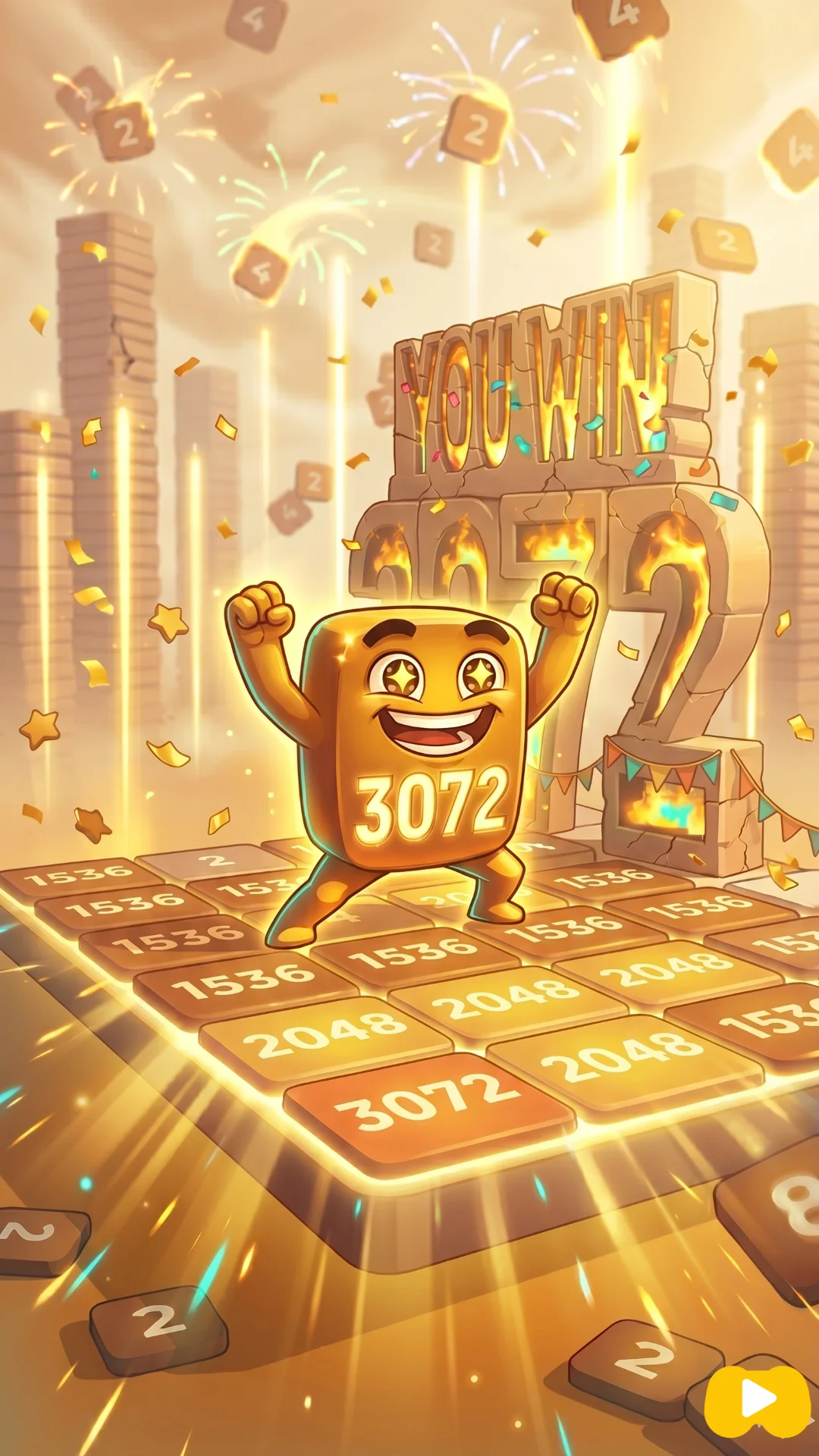
Strategy
Pick a corner on the first move and never give it up. Because 3072 is 3 doubled ten times, a finished run swallows well over a thousand spawned tiles, and the only way to absorb that many is to keep your largest tile pinned and build a descending run along the row or column beside it. Slide in three directions only — say down, left and right if your anchor is bottom-left — and the anchor can never be dragged out of position. The fourth direction is the move that loses runs.
The 6 that spawns one time in ten is quietly useful. It arrives already merged, which saves you one fusion out of every ten tiles, and it can pair with a real 6 from the ladder. It also means a stray 6 in the wrong place is not dead weight the way a stray 3 is — it has somewhere to go sooner.
The habit that separates a 768 run from a 3072 run is keeping the anchor row full. An empty square in your anchor row is an invitation for a spawned 3 to land in the middle of your descending chain and break it. Fill that row first, keep the second row as your working space, and only let the board get untidy in the two rows furthest from the anchor. When you do get forced into the fourth direction, take the version of it that leaves your largest pair adjacent, and expect to spend the next three or four moves rebuilding rather than merging.
Mistakes that cost you the game
- Sliding in the fourth direction because it merges two tiles. One merge is never worth moving your biggest tile off its corner.
- Building a large tile in the middle of the board. It has four sides to be blocked from instead of two, and nothing will ever pin it in place.
Tips
- Choose your corner before the first swipe and commit to it.
- Keep the anchor row completely full so a spawned tile cannot land inside your chain.
- Merge along a single row or column rather than in scattered pairs.
- You can queue the next swipe mid-slide, so a fast rhythm is safe.
- Late on, count your legal moves before swiping. Two directions left is the warning.
- Take Keep Playing after 3072; the score keeps climbing from the same board.
Questions about 3072 Merge
Is this the same as 2048?
Same grid and sliding rules, but the ladder runs 3 to 3072 and the spawns are 3s and 6s.
Can I undo a move?
No. There is no undo, which is why corner discipline matters.
Does it stop when I reach 3072?
Only if you want it to — a panel appears and you can carry on.
Is my best score saved?
Yes, on the device. Clearing browser data clears it.
How is the score worked out?
Every merge adds the value of the tile it produces.
Does it cost anything?
No. 3072 Merge is free to play, runs in your browser, and needs no download, install or account.
More games like this
-
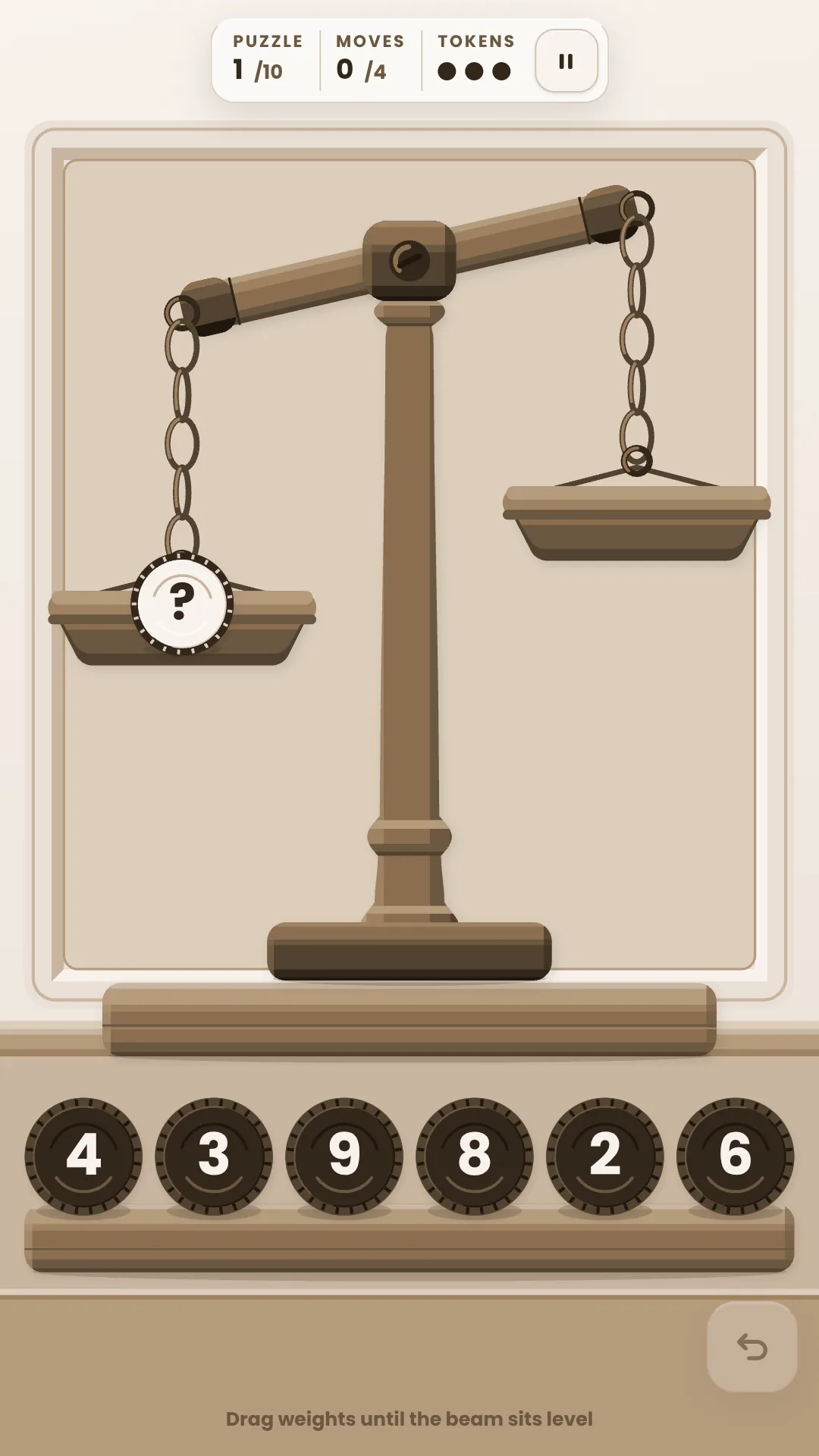 Balance ScalesA beam, a hidden shape and a tray of weights, with one arrangement that sits level
-
 Fold LabFold nets into cubes and punch folded paper, all in your head
-
 Fruit BlastMatch-three against a clock, a score target and a board full of blocks that will not move
-
 Math CagesIrregular cages, one arithmetic target each, and a grid that only has one way to fill it