
Solitaire
Klondike dealt one card at a time, with a clock that decides most of your score
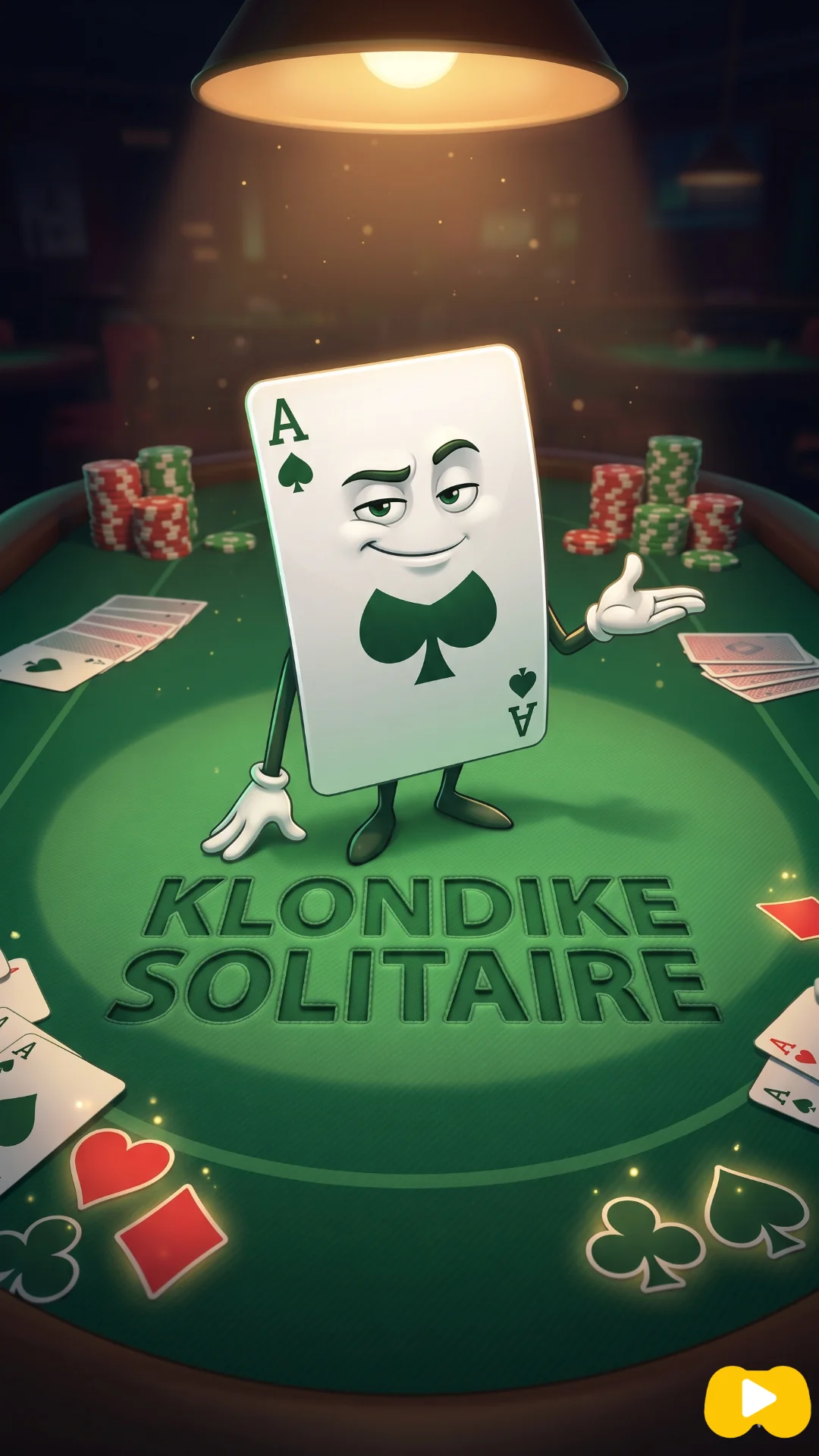
About Solitaire
Solitaire here is Klondike in its straightest form: seven tableau columns, four foundations, and a stock you turn one card at a time. There is no draw-three option and no undo button, which makes the deal you are given matter and every move final.
The scoring is where it stops being a gentle patience game. Ten points for a card sent to a foundation, five for turning over a face-down card, five for pulling a card out of the waste, and twenty points deducted every time you exhaust the stock and start it again. Then the finishing bonus arrives and dwarfs all of it, because it is seven hundred thousand divided by the seconds you took — which is a polite way of saying the clock at the top of the screen is the score. Moves and time sit beside the score, your best finishing time is remembered between sessions, and cards can be dragged, tapped or double-tapped depending on how fast you want to work. It plays comfortably one-handed on a phone.
What is different about this version
Two design decisions shape how this plays. The redeal is priced: each time you turn the waste back into a stock you lose twenty points, so the aimless cycling that most solitaire games encourage has a running cost. And once every card in the tableau is face up, the game takes over and finishes itself, because from that position the deal is always solvable and clicking through it proves nothing. Taps are also disambiguated rather than guessed at: a single tap looks for a foundation first and otherwise prefers a tableau pile that already has cards, so it will not quietly bury a card in an empty column; a double tap is foundation-only.
How to play Solitaire
- Build the four foundations upwards by suit, ace through king.
- Stack tableau cards downwards in alternating colours — a red seven onto a black eight.
- Move cards off a pile to expose and turn the face-down card beneath.
- Only a king may go into a column you have emptied.
- Tap the stock to turn one card to the waste; tapping an empty stock recycles the waste at a cost.
- Fill all four foundations to win, and the clock stops as you do.
Controls
| Desktop | Click a card to send it to its best legal home, double-click to send it straight to a foundation, or drag it and legal targets are highlighted as you go. |
|---|---|
| Phone or tablet | Tap a card to move it automatically, double-tap to force it to a foundation, or drag it to a specific pile. |
| Players | One player. Any other characters on screen are run by the game. |
Strategy
Play for the clock. The time bonus is far larger than anything you can accumulate on the board — finishing in two minutes is worth several thousand points, finishing in ten is worth roughly a fifth of that, while a well-played board might contribute three or four hundred in move scoring. Deliberation is expensive in a way it is not in most versions.
That said, information beats tempo when they conflict. Any move that turns over a face-down card is worth taking before a move that only rearranges cards already visible, because a face-down card is the only thing on the table that can be blocking a solution. Between two columns, work on the one with the most face-down cards left.
Aces and twos go up immediately; everything else should wait. Sending a five to a foundation feels productive and removes the black five you needed for a red six twenty seconds later. The same caution applies to empty columns — an empty column is the most valuable square on the board, and filling it with the first available king rather than the king that unblocks the most face-down cards wastes it. Finally, mind the stock. Draw-one means you see every card in order, so note what you passed before your first redeal; the twenty-point charge is worth paying once with a plan and rarely worth paying four times without one.
Mistakes that cost you the game
- Sending every available card to the foundations. Middle cards are the connective tissue of the tableau, and once they are gone the columns stop moving.
- Cycling the stock repeatedly with nothing in mind. Each pass costs twenty points and a chunk of the clock, which is the far bigger loss.
Tips
- Take the move that flips a face-down card first, every time.
- Empty a column only when you know which king is going into it.
- Double-tap for foundations and single-tap for everything else; it removes the guesswork.
- Drag when you want a specific column — the legal targets light up while you hold the card.
- Watch the clock rather than the move counter. Only one of them is in the final score.
- Once the last face-down card flips, stop and let the auto-finish run.
Questions about Solitaire
Is this draw-one or draw-three?
Draw-one. Each tap of the stock turns a single card to the waste.
Is there an undo?
No. Every move stands, which is part of why the scoring rewards deciding before you commit.
How is the score calculated?
Ten per foundation card, five for revealing a face-down card, five from the waste, minus twenty per redeal, plus a time bonus at the finish.
Why did it start moving cards by itself?
Once the whole tableau is face up the deal is certain to be solvable, so it completes the foundations for you.
Are the deals always winnable?
No. It is a straight shuffle, so some hands cannot be solved — restart without ceremony when one stalls.
Does it cost anything?
No. Solitaire is free to play, runs in your browser, and needs no download, install or account.
More games like this
-
 Dehla PakadThe Indian partnership card game where the whole hand is about catching the tens
-
 Space Rock BreakerSplitting rocks on a wrapping screen, where the smallest fragments are worth the most
-
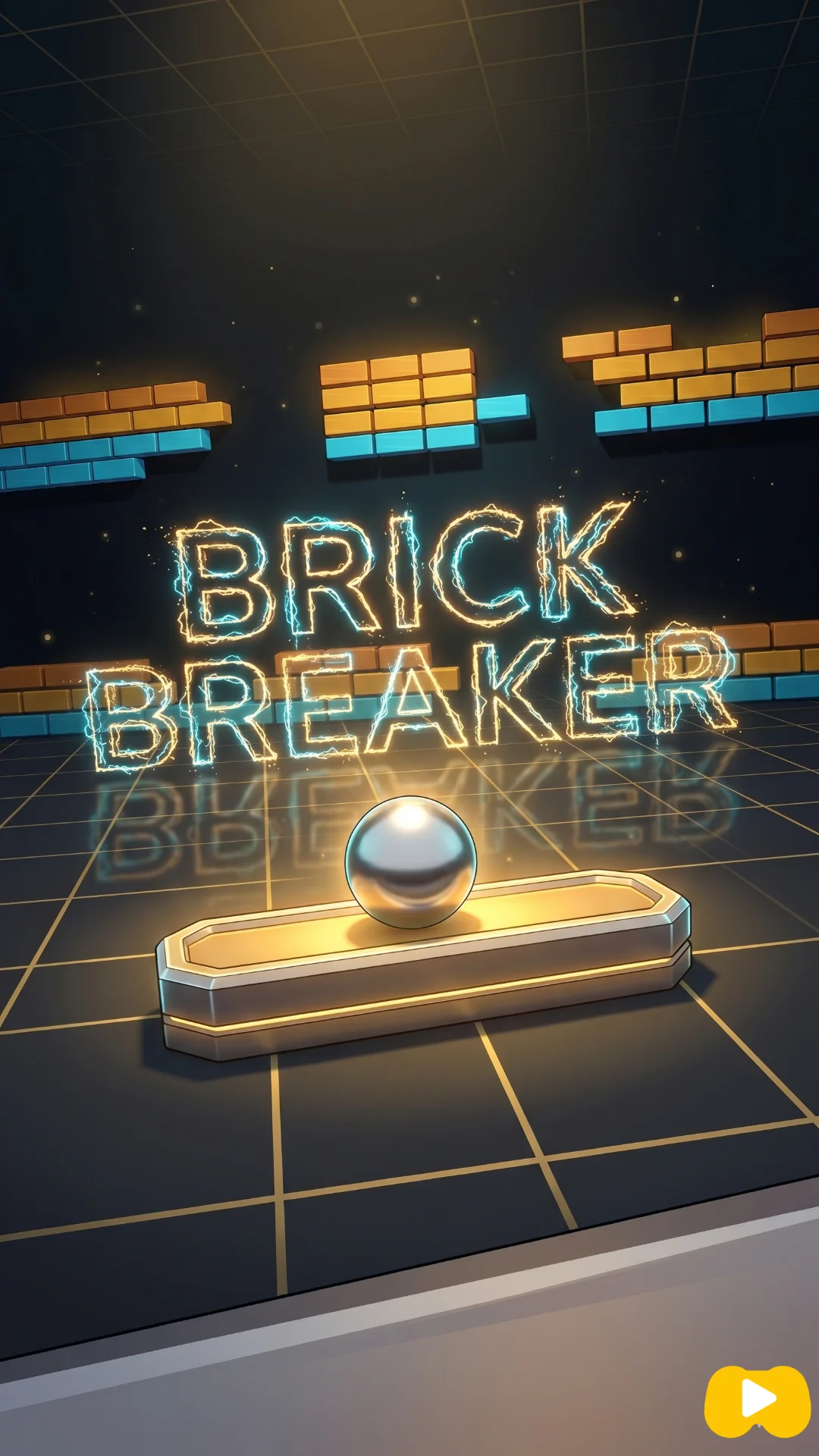 Ball BreakerEight columns, one more row of bricks every level, and a paddle that aims by contact
-
 Bigger Tic Tac ToeNine small boards inside one big one, and your square picks where your opponent plays