
Pixel Derby
Pixel Derby — rank six horses first to last, then watch the race take your reasoning apart
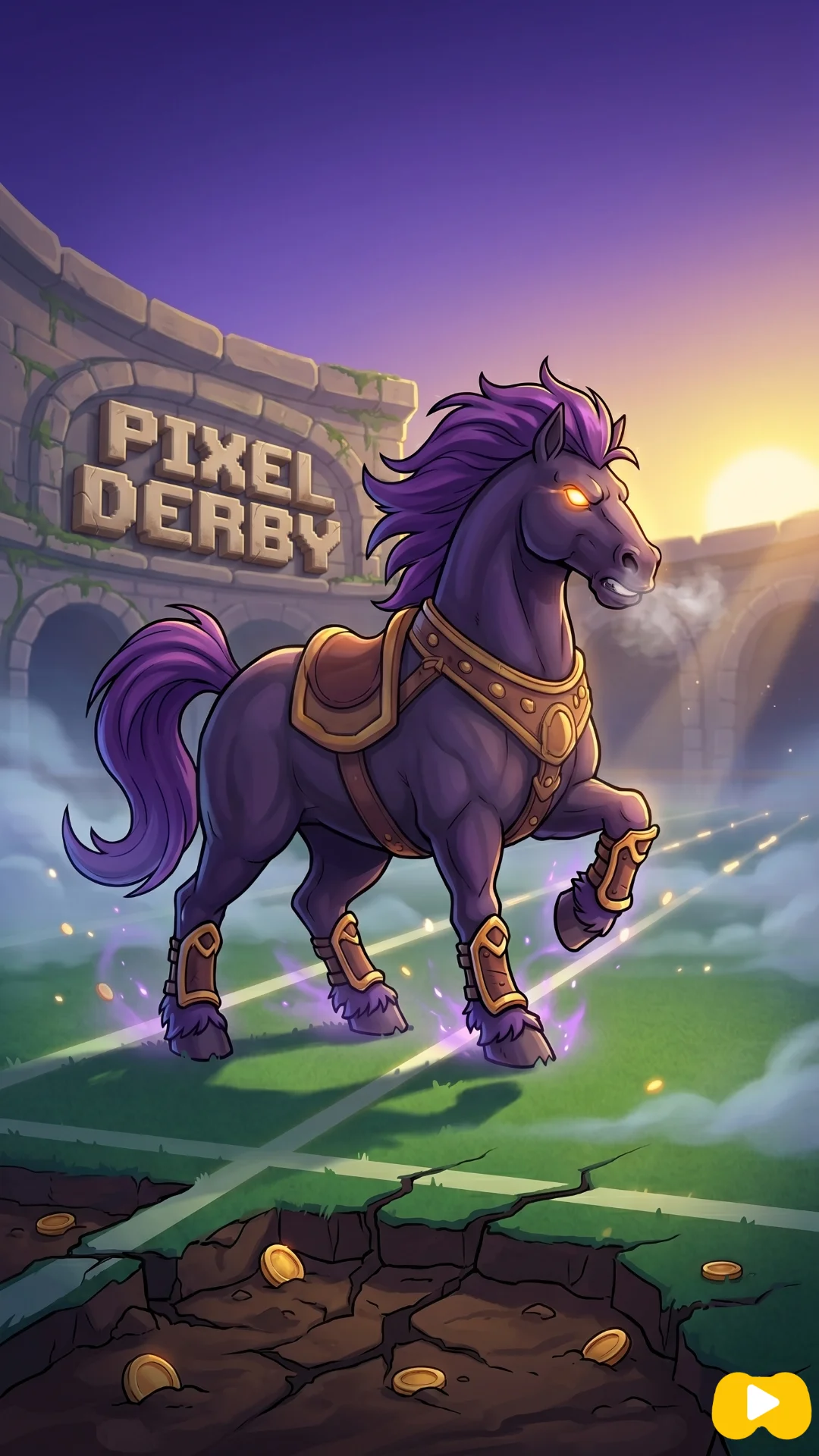
About Pixel Derby
Filed under poker for what it asks of you rather than what it looks like: read the form, commit to an order, live with it. The game itself is Pixel Derby. Six runners — Thunder, Shadow, Golden, Blaze, Storm and Phantom — line up, and before the gates open you place all six in the order you expect them to finish.
Nothing is staked. There is no pot, no purse and no money anywhere in it; you score points for placings you got right, and after five races the higher total wins. An exact placing is worth a hundred, one slot out is worth forty, and calling all six in order adds five hundred on top.
Each horse shows three bars — speed, stamina and burst — and those cards are the only information you get before committing. The race then runs as a simulation rather than a scripted result: energy drains, pace wobbles, horses stumble, two in neighbouring lanes clip each other, somebody finds a second wind in the straight. Play the computer, or hand the phone across, since one player's picks stay hidden while the other chooses.
What is different about this version
Two of the five traits driving the simulation are never shown. Speed, stamina and burst appear on the card; consistency, which decides how badly a horse's pace wobbles stride to stride, and luck, which hands out short unearned bursts, are hidden and have to be learned by watching. Form also drifts rather than being re-rolled: each visible bar moves about fifteen per cent of the way towards a fresh value every round, so a strong horse stays strong for a while and then quietly is not. Luck alone never drifts — whatever a horse was dealt at the start of the match, it keeps for all five races, which makes it the one hidden value you can genuinely bank.
How to play Pixel Derby
- Pick an opponent: the computer, or a second person on the same device.
- Look over the six cards — each shows speed, stamina and burst for this race.
- Tap a horse to put it first, then the next for second, and on down.
- The sixth slot fills itself once you have chosen five.
- Undo steps back through your picks before you lock in.
- Watch the race. Nothing you do now changes it.
- Score the round and repeat. Five races decide the match.
Controls
| Desktop | Click horses in the order you expect them to finish; the Undo button removes your last pick. |
|---|---|
| Phone or tablet | Tap horses in finishing order, tap Undo to take one back, and pass the device when prompted. |
| Players | One or two people on the same device. Nothing here plays over the internet. |
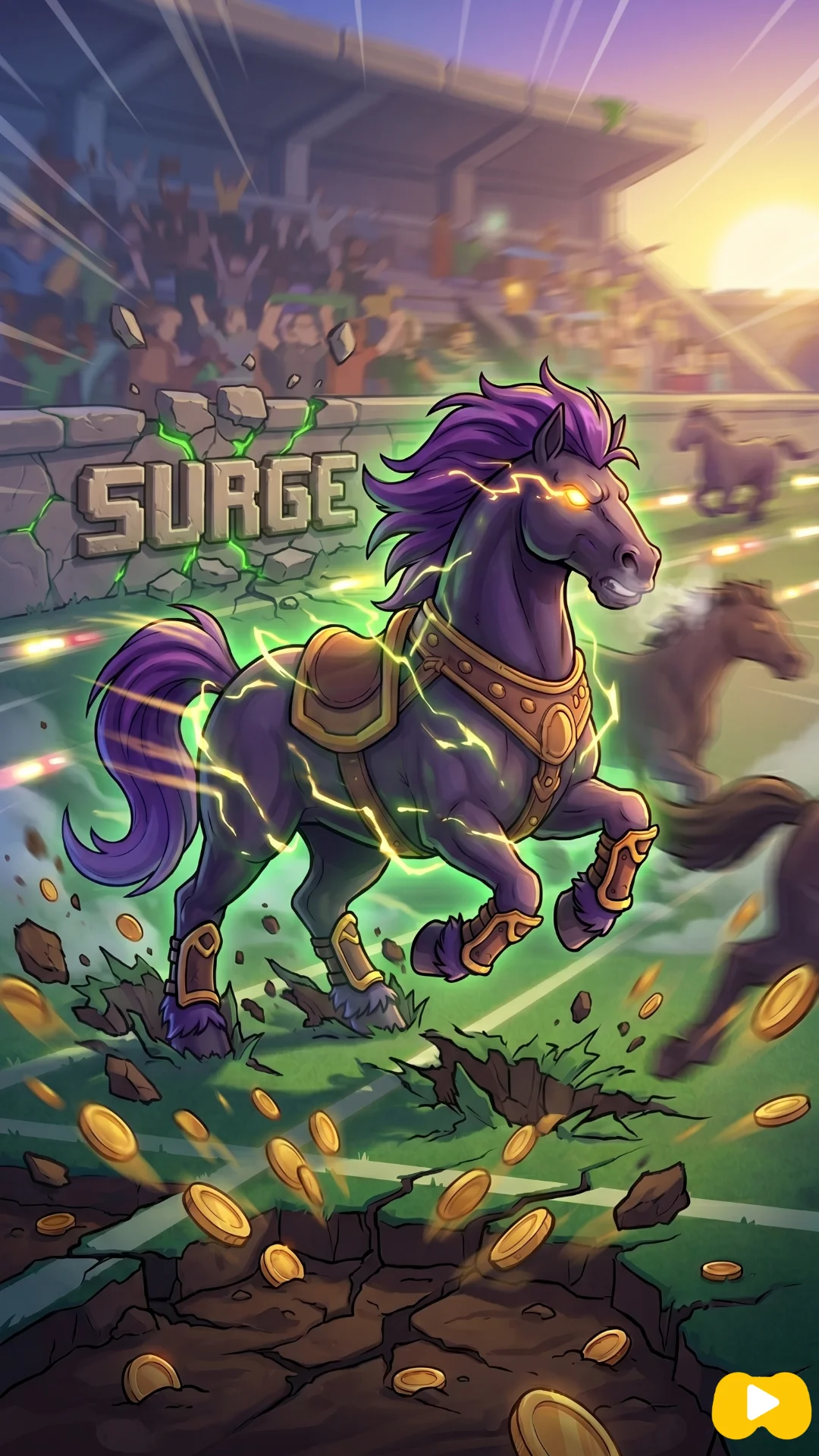

Strategy
Stamina is worth more than the speed bar suggests. Raw speed moves a horse's pace by about a tenth either way, while the energy that stamina protects swings it further — and in the closing fifth of the race the simulation checks energy directly, lifting the still-fresh and dropping the tired. A quick, low-stamina runner leads for twenty seconds and gets swallowed. Read stamina first, then use speed to separate horses whose stamina is level.
The scoring shape should change how you hedge. A horse one slot away still pays forty, so the target is a roughly correct shape rather than a heroic call on the winner. Torn between two horses for first and second? The order barely matters — you collect either way. The damage is done at the ends: a horse you put sixth that finishes second costs you twice, once for the empty slot and once for whoever you displaced.
The computer leans hard on the speed bar and adds a fair amount of guesswork, so your openings come when speed and stamina disagree. Back the quick, tired-looking horse to fade and you will beat it by a placing or two regularly. Across five rounds, remember which horses ran ragged races — that wobble comes from a trait you cannot see, and it drifts slowly, so an erratic horse in round one is a poor pick in round two.
Mistakes that cost you the game
- Ranking straight down the speed bars — the most visible number and the least decisive.
- Treating the six slots as one bet on the winner. Four near-misses outscore one exact call and five blanks.
- Expecting the halfway leader to hold on. Incidents keep landing until a horse is most of the way home.
- Forgetting the horse that ran a wild race last round. Inconsistency is hidden on the card but carries over.
- Locking in without checking who you put last. The bottom slot is where the costly errors hide.
Tips
- Watch the neighbouring lanes. Bumps only happen between horses running side by side, so a horse boxed between two rivals carries an extra risk you can price in.
- A horse that keeps producing late bursts across rounds is carrying good luck, and that value stays fixed for the whole match.
- In pass-and-play, choose while the other person is looking away — the screen hides picks but it cannot hide your finger.
Questions about Pixel Derby
Is anything being wagered here?
No. No money, no pot, no stake of any kind — only points for placings you called correctly.
Can I change my order once the race starts?
No. Picks lock when you go, and the race runs to its own conclusion.
Do horses keep their stats between races?
Mostly. Speed, stamina and burst each drift a little each round, so form carries over without being fixed.
How many races make a match?
Five, which comes to a couple of minutes including the time spent arguing about the order.
Does it cost anything?
No. Pixel Derby is free to play, runs in your browser, and needs no download, install or account.
More games like this
-
 Ant ColonyEight ants underground, sixteen duties to finish, and one of them is not an ant
-
 Bigger Tic Tac ToeNine small boards inside one big one, and your square picks where your opponent plays
-
 Bike Rush 3DTwo and a half kilometres of traffic, three crashes, and a rival that will not let go
-
 Bluff CardOne rank for the whole round, four cards face down at most, eight seconds to call a liar